
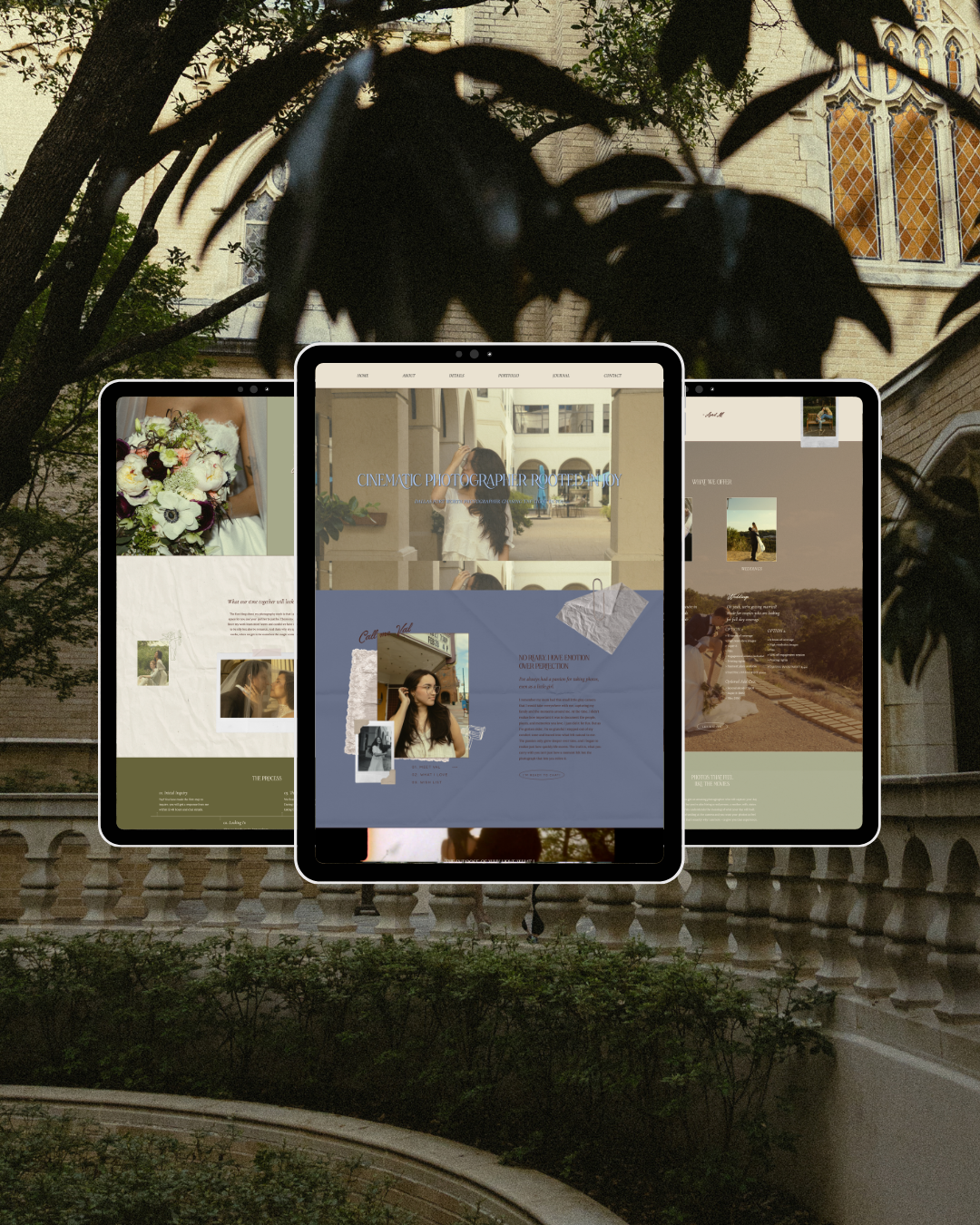
The Website Advice I Disagree With as a Brand & Web Designer
If you’ve spent any amount of time consuming business content online, you’ve probably heard plenty of website advice. Some of it is genuinely helpful. Some of it sounds good on the surface but falls apart once you start applying it to a real business. The challenge is that a lot of website advice gets repeated so often that people begin treating it like a universal rule. But what works for one business isn’t always what works for another, especially when you’re building a brand that’s meant to grow with you. As a brand and web designer, there are a few pieces of website advice I hear all the time that I don’t necessarily agree with. Here are some of the biggest ones!
(p.s. if you’re looking for a custom brand and website designer. I’d love to connect with you!)
“Keep Your Website as Simple as Possible”
This is probably one of the most common pieces of website advice out there. While I understand the intention behind it, simple doesn’t automatically mean strategic. A website should absolutely be easy to navigate. Visitors shouldn’t feel confused or overwhelmed when they’re trying to find information. But that doesn’t mean your website needs to be stripped down to the bare minimum.
Some businesses need more education. Some services require more explanation before someone is ready to invest. Some brands benefit from storytelling, case studies, or strategic content that helps build trust. A strategic website can be rich and layered without being confusing. The goal isn’t to remove everything. The goal is to make sure every element has a purpose.
“Nobody Reads Website Copy”
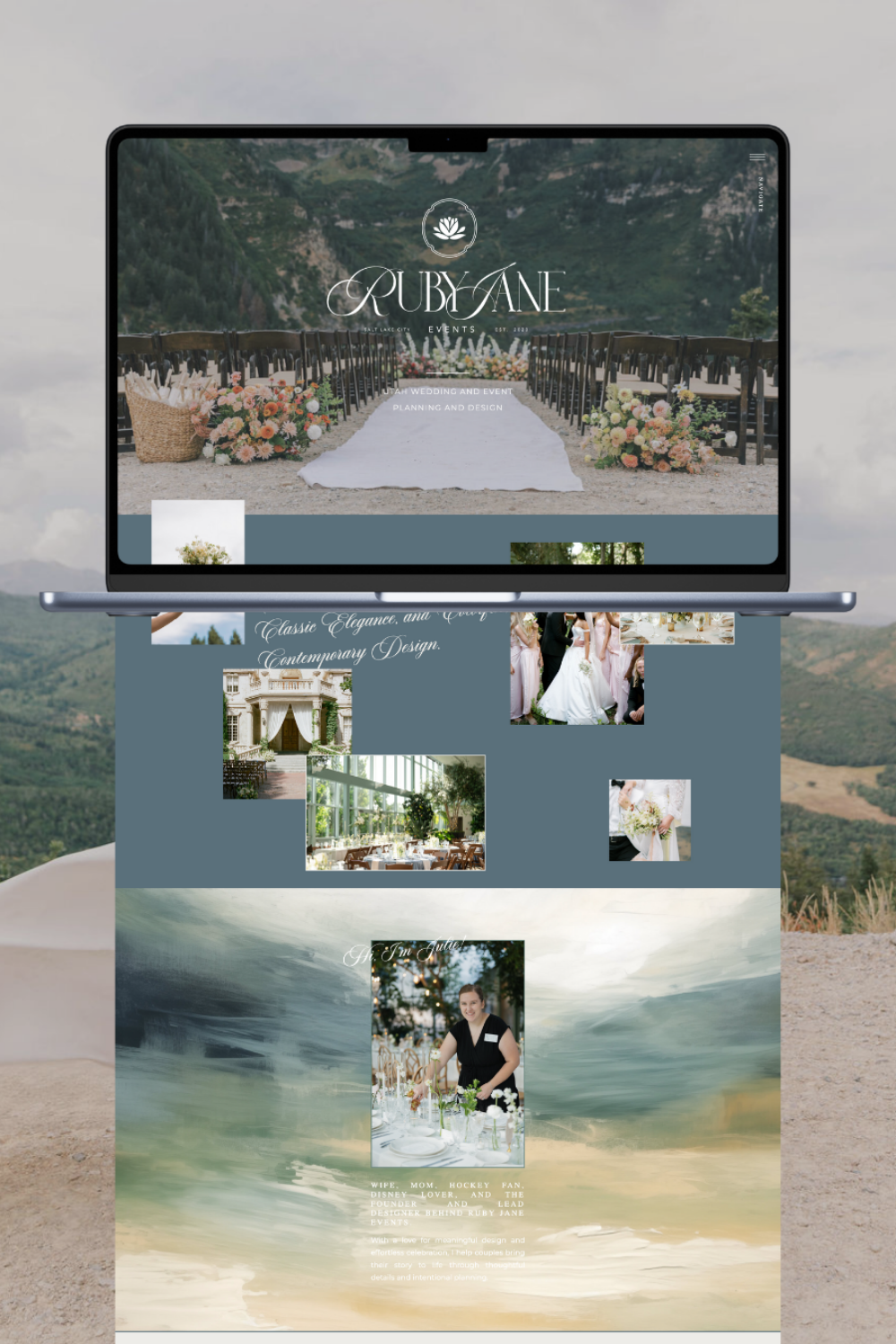
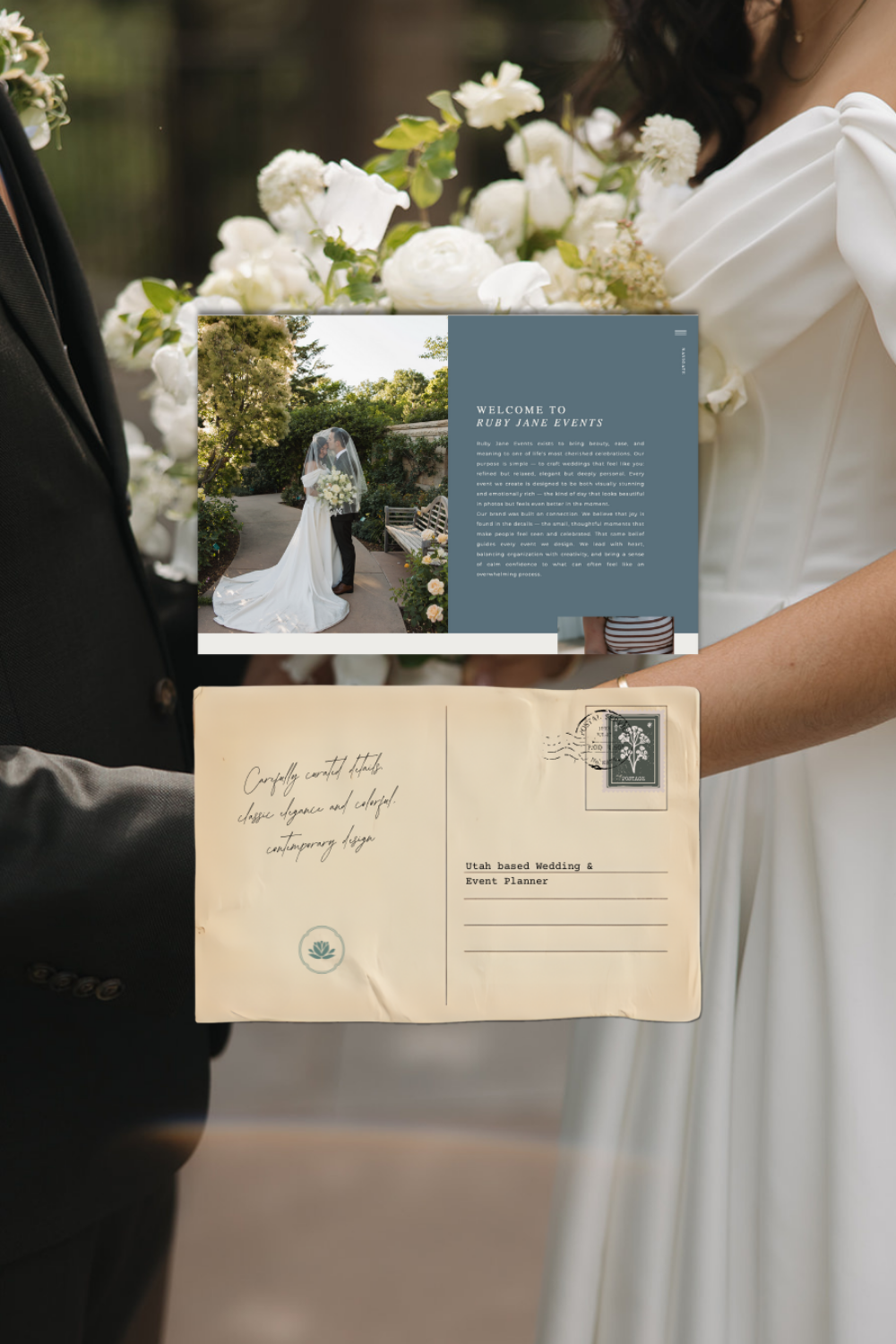
I hear this one constantly, and I think it’s one of the most damaging myths for service-based businesses. Do people skim websites? Absolutely! But that doesn’t mean they’re not reading.
People read the parts that matter to them. They read when they’re trying to decide if you’re the right fit. They read when they’re comparing options. They read when they’re about to spend money. Good website copy helps people make buying decisions.
Without strategic messaging, your visitors are left trying to piece together who you are, what you do, and why they should choose you. That’s a lot of work to ask someone to do. Your design gets their attention. Your copy helps them take action.
“Your Portfolio Should Speak for Itself”
As creatives, it’s easy to believe that our work should be enough. The reality is that your portfolio is only part of the story. People aren’t just buying design, photography, branding, or marketing. They’re buying your process, your perspective, your expertise, and your ability to help them achieve a specific result.
Two designers can create equally beautiful work and attract completely different clients because of how they position themselves. Your portfolio shows what you’ve created. Your website should explain how you think. That’s often what helps someone move from “This looks nice” to “I want to work with her.”

“You Need to Appeal to Everyone”
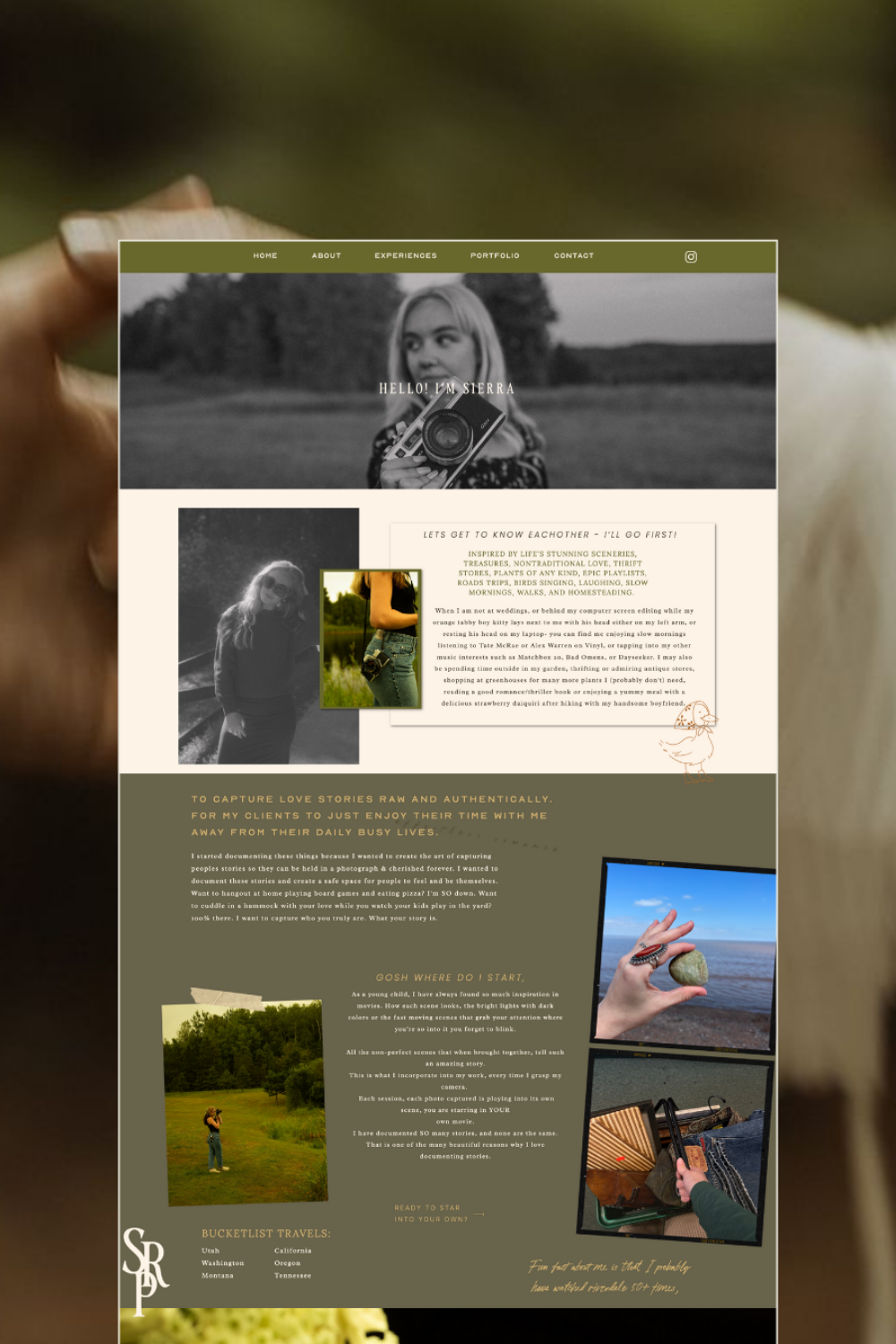
Trying to appeal to everyone is one of the fastest ways to create a forgettable brand. The most memorable brands don’t connect with everyone. They connect deeply with the right people.! When your messaging becomes too broad, too generic, or too safe, it loses personality. It starts sounding exactly like everyone else in your industry.
Your website should create connection. It should make the right people feel understood while allowing the wrong people to self-select out.
“Your Website Just Needs to Look Professional”
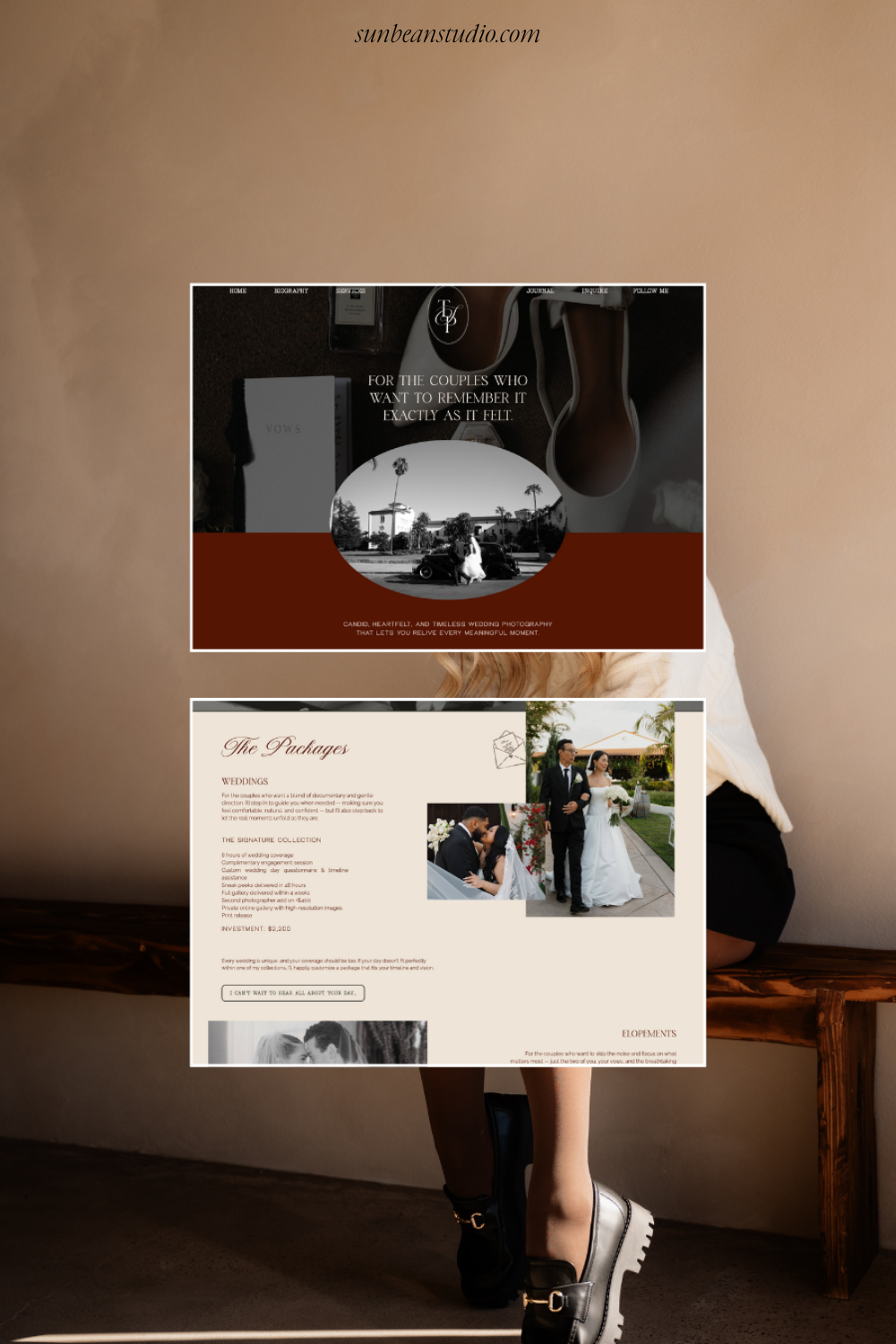
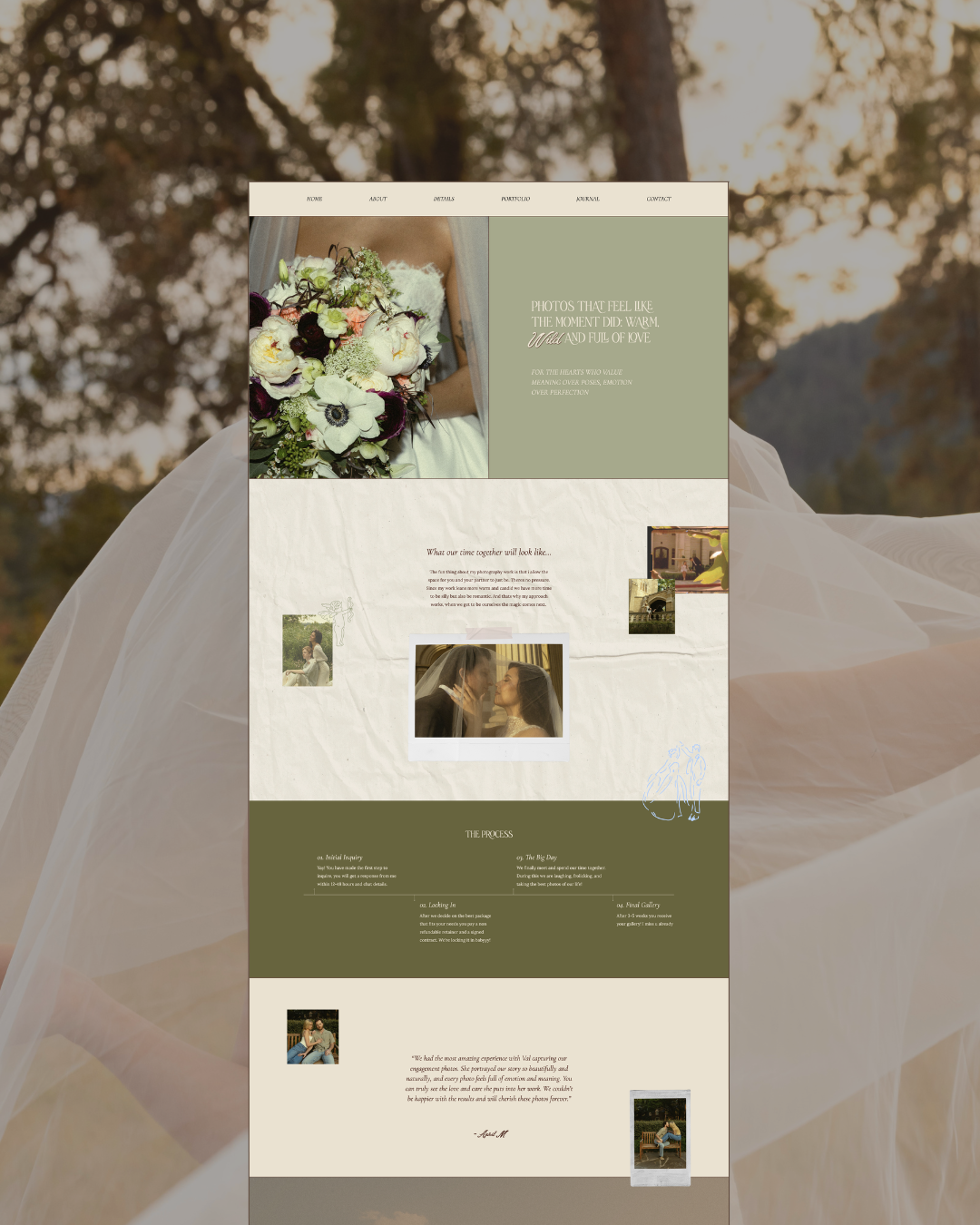
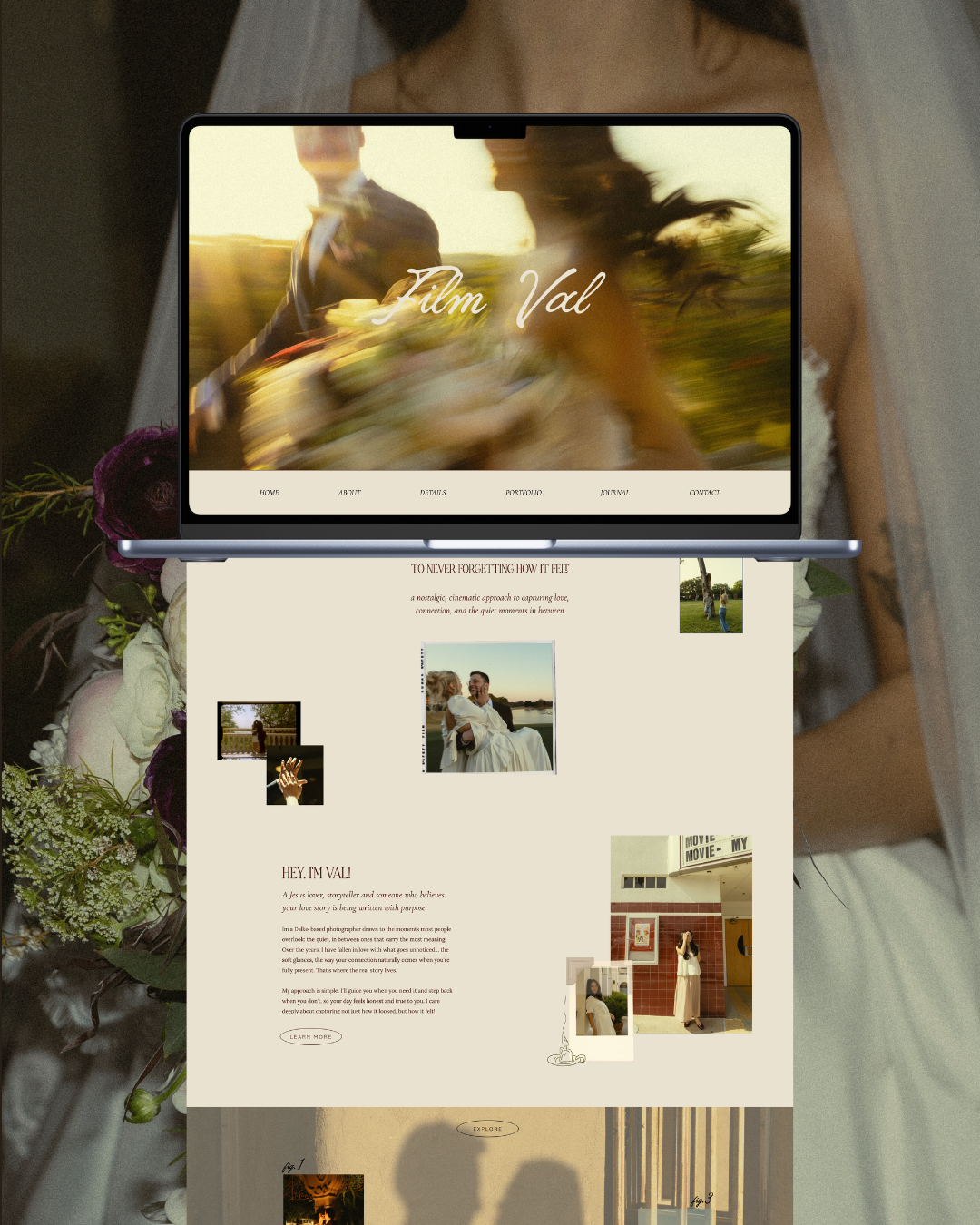
Professional is one of the most subjective words in business. What’s considered professional for a luxury wedding photographer may look completely different from what’s considered professional for a creative educator, copywriter, or brand strategist.
A beautiful website without strategy is essentially expensive decoration. Design matters a lot! But great websites don’t just look polished. They communicate clearly, guide visitors intentionally, and support specific business goals. The best websites balance beauty and function.
“You Need More Traffic”
Sometimes you do. But often, you need a better website. Many business owners assume low inquiries automatically mean they need more people visiting their website. The reality is that if your website isn’t converting the visitors you already have, more traffic won’t solve the problem. It simply means more people are leaving without taking action.
Before focusing solely on growing your traffic, it’s worth asking:
- Is my messaging clear?
- Does my website build trust?
- Is it easy to understand what I offer?
- Do visitors know what step to take next?
Traffic and conversions work together. One can’t fully compensate for the other.
“You Should Follow Website Trends”
Website trends can be fun. They can inspire creativity and help brands feel current. But trends shouldn’t be the foundation of your website. The problem with designing around trends is that trends change.
What feels modern today may feel outdated a year from now. Instead of chasing every new design trend, I encourage clients to focus on building a strong brand foundation first. When your strategy is solid, your website can evolve over time without requiring a complete overhaul every few years. Your website should feel current, but it should also feel timeless enough to grow with your business.
What Good Website Advice Actually Looks Like
If there’s one thing I want you to take away from this, it’s that good website advice isn’t about following a checklist of rules. It’s about understanding the purpose behind the recommendations.
A strategic website isn’t successful because it follows trends, uses fewer words, or looks a certain way. It’s successful because it helps the right people understand your value, trust your expertise, and confidently take the next step.
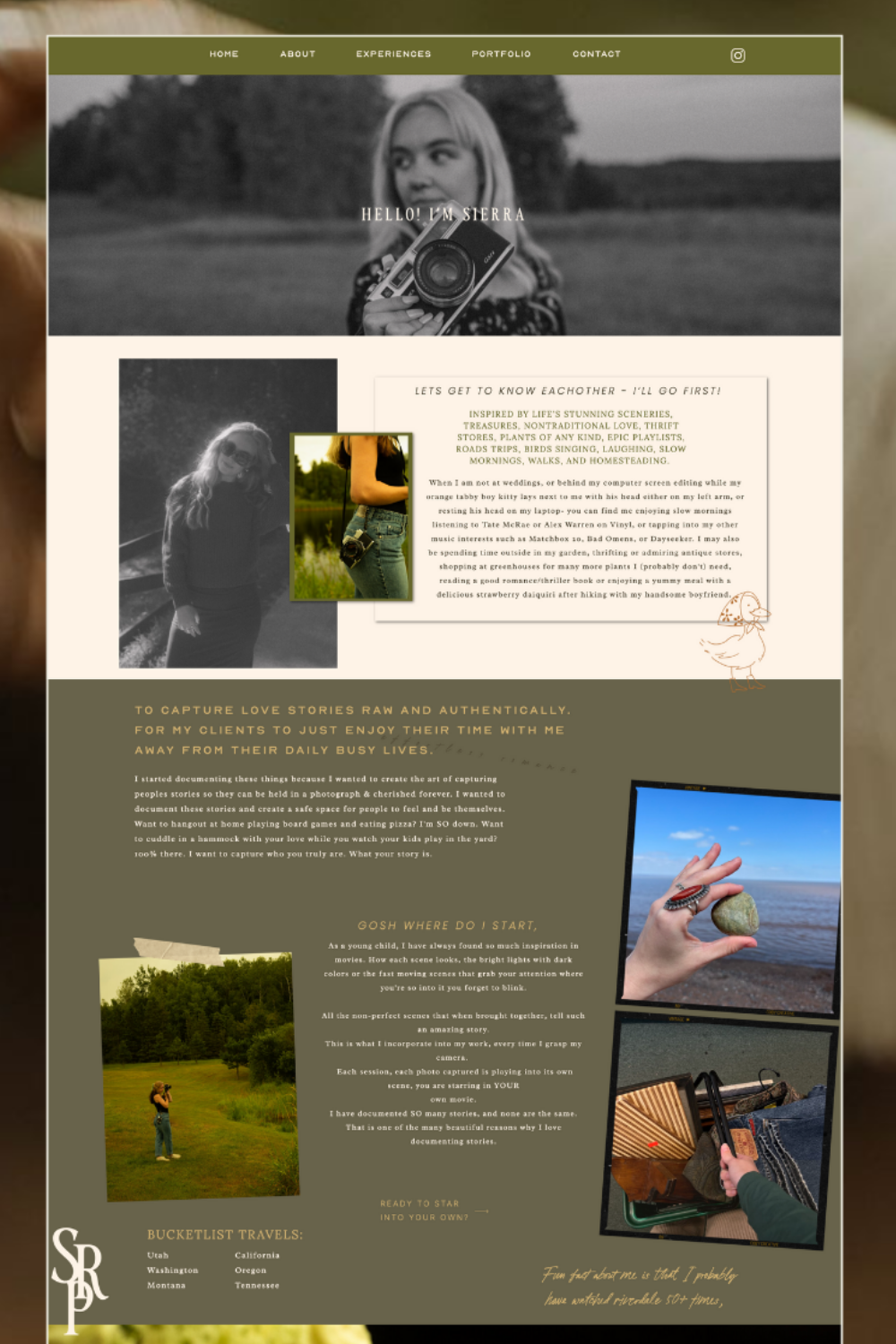
Every business is different. Every audience is different. Every brand has different goals. That’s why the best websites aren’t built around blanket advice. They’re built around strategy. If you’re ready for a website that feels aligned with your brand and supports your business goals, my Website in a Week service is designed to help you launch a strategic website without spending months stuck in the process. Together, we’ll customize your template, refine the experience, and create a website that works just as hard as you do!

